
High End Commercial Gym Equipment Brands
Walk into a serious training facility and you can tell within minutes whether the owner bought for price or bought for performance. That gap is exactly why high end commercial gym equipment brands matter. The best brands do more than fill floor space - they shape how a gym trains, how long the equipment lasts, and whether members feel like they are stepping into a real strength environment or just another generic fitness room.
For owners building a premium facility, the conversation should never stop at logos, powder coat, or a polished sales pitch. What matters is machine feel under load, structural integrity after years of abuse, and whether the equipment actually serves the athletes using it. In the high end tier, buyers are paying for engineering, biomechanics, durability, and identity. If those pieces are missing, the price tag means nothing.
What separates high end commercial gym equipment brands
The difference starts with intent. Commodity equipment is built to hit a broad market. Elite equipment is built for a specific standard of training. That shows up in every detail, from frame thickness and weld quality to the path of motion and resistance profile.
A true high end manufacturer obsesses over how a movement loads the body through the full range, not just whether the machine looks impressive on a showroom floor. A hack squat should track clean, feel stable at heavy loads, and maintain tension where the lift actually matters. A belt squat should let athletes hammer the lower body without turning setup into a chore. A T-bar row should lock the user in and drive back training hard instead of fighting the machine.
That is where many brands separate. Some are strong on aesthetics but average on feel. Others are durable but biomechanically outdated. The best names in the market combine both. They build equipment that looks elite, survives commercial abuse, and still feels right when a strong lifter pushes it hard.
How to judge high end commercial gym equipment brands
If you are buying for a commercial space, you are not just choosing products. You are choosing the training standard your facility will be known for. That means you need to evaluate brands through the lens of use, not marketing.
Build quality comes first. Heavy-gauge steel, precise fabrication, stable bases, clean welds, and hardware that holds up under repeated impact all matter. In high-traffic gyms, weak construction gets exposed fast. A machine that feels solid on day one but develops play, noise, or instability under real use is not premium equipment.
Biomechanics matter just as much. A premium machine should feel deliberate. The resistance curve should make sense. The setup should be intuitive. The user should not need to fight awkward pad positions, poor lever ratios, or range limits that cut the movement short. Strong lifters notice this immediately, and so do coaches who need equipment that works across different body types.
Customization is another dividing line. Most facility owners at the top end do not want a floor filled with the same interchangeable equipment found everywhere else. They want a distinct look, specific upholstery, custom branding, and machine selections built around the way their clients actually train. High end brands understand that serious gyms are not trying to blend in.
Service life is where the money conversation gets real. Premium equipment costs more upfront, but that is only part of the equation. If a machine keeps its structural integrity, finish, and training quality for years in a hard-use environment, it often outperforms lower-cost options financially. Replacing weak equipment, dealing with member complaints, and downgrading your facility image gets expensive fast.
The strongest categories for premium buyers
Not every piece of equipment deserves the same investment. Benches, racks, and dumbbell storage matter, but specialized lower-body and posterior-chain machines are often where premium brands prove their value.
That is because these categories expose weak design quickly. A poorly built pendulum squat feels wrong immediately. A bad hip thrust machine wastes time and irritates users. A cable hyperextension with weak construction or sloppy mechanics will never earn a place in a serious training facility. These are not decorative pieces. They have to perform.
For gym owners targeting bodybuilders, strength athletes, and advanced general population clients, the best investment often sits in plate-loaded and specialized machine-based training. Those pieces create training experiences members cannot replicate in a budget gym. They also help separate your facility from competitors who rely on the same standard selectorized lines and basic racks.
Where buyers get it wrong
One common mistake is buying based on catalog completeness. A brand may offer hundreds of products, but breadth does not guarantee excellence. In many cases, the best manufacturers are specialists. They focus on categories where machine feel, movement quality, and construction matter most, and they refine those products aggressively.
Another mistake is overvaluing imported prestige without looking at practical performance. Some brands carry strong name recognition, but the actual user experience can vary wildly across product lines. One machine may be outstanding while another feels like an afterthought. High end buyers need to judge each category on its own merits.
There is also the temptation to buy flashy equipment that photographs well but does not fit the actual training culture of the gym. If your clientele wants brutal lower-body work, heavy rows, and serious posterior-chain development, then polished general fitness pieces will not move the needle. Equipment should match the identity of the facility, not just the mood board.
Why niche brands are gaining ground
The market has shifted. Serious buyers are paying closer attention to manufacturers that specialize in hardcore strength equipment rather than broad commercial fitness brands trying to serve everyone. That shift makes sense. Facility owners with a clear training focus want machines designed by people who understand heavy use, lifting mechanics, and the expectations of advanced users.
This is where niche, high-performance brands have real leverage. They are often faster to innovate, more willing to build custom configurations, and more aligned with the needs of bodybuilding gyms, strength studios, and premium private training spaces. Instead of offering safe, generic designs, they build pieces with attitude, purpose, and a clear training outcome.
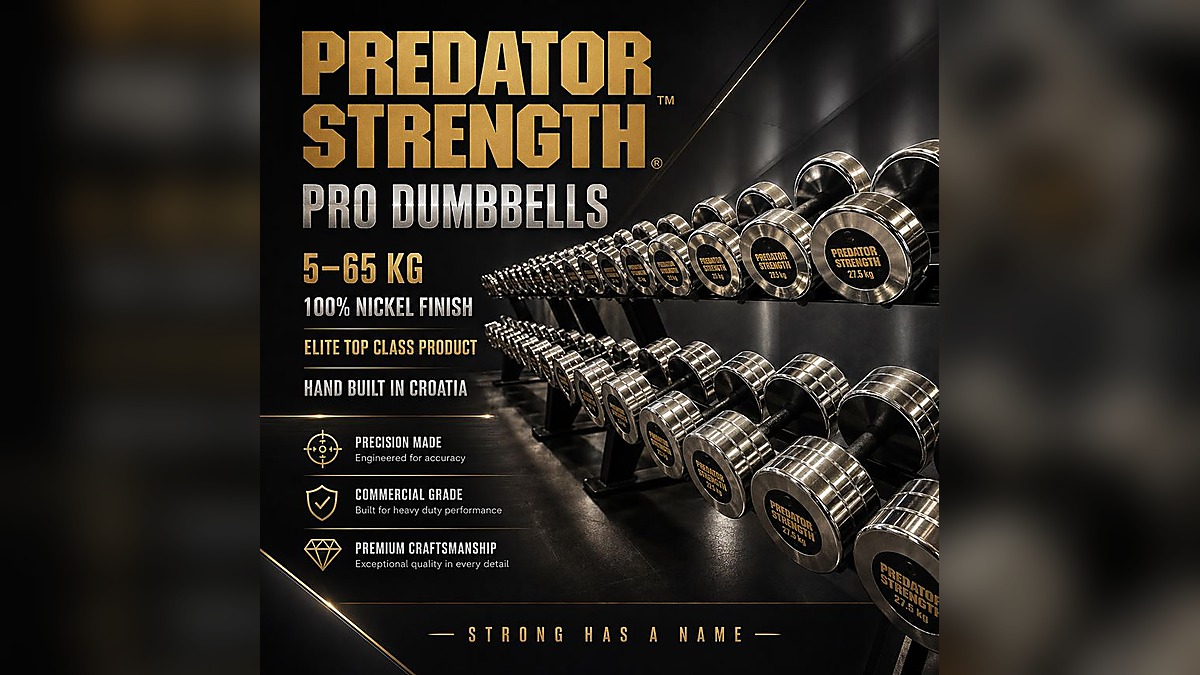
Predator Strength fits that lane by focusing on specialized plate-loaded and machine-based strength equipment for serious facilities that want more than commodity hardware. That kind of positioning matters because buyers at this level are not hunting for average. They are building a gym people remember.
High end commercial gym equipment brands and facility identity
The best equipment does more than perform well - it tells members what kind of place they just walked into. A floor built around serious machines signals that the gym respects strength training. It tells competitive lifters, coaches, and committed members that this facility was built with intent.
That identity has business value. Premium members notice quality. Coaches notice quality. Content creators notice quality. If the equipment stands out visually and performs under real load, it becomes part of the gym's reputation. That is especially important for independent facilities competing against chains that can outspend them on square footage or amenities.
Still, there is a trade-off. Premium equipment makes the most sense when it supports the business model. A strength-focused gym, private training facility, or high-end performance space can justify the investment far more easily than a general apartment complex gym. The right equipment depends on who the facility serves and what standard it wants to own.
What smart buyers should ask before they commit
Before choosing among high end commercial gym equipment brands, buyers should ask a harder set of questions. Does this machine feel exceptional with both moderate and heavy loads? Will it hold up in a high-volume environment? Can the manufacturer deliver the finish, branding, and configuration the facility actually needs? And most importantly, does this equipment improve the training experience enough to justify the investment?
If the answer is yes, premium equipment is not an indulgence. It is infrastructure. It becomes part of member retention, brand positioning, and long-term operating efficiency.
The gyms that stand out over time are usually not the ones that chased the cheapest package deal. They are the ones that bought with conviction, chose equipment built for real punishment, and created a floor that serious people want to train on. If you are building for that level, buy like it matters - because your members will feel the difference on the first set.