
Why Custom Made Fitness Equipment Wins
Walk into a serious training facility and you can tell within minutes whether the floor was built for results or filled to check boxes. The difference usually comes down to machine quality, training intent, and whether the equipment was chosen off a catalog or engineered for the people using it. That is where custom made fitness equipment separates itself from generic commercial pieces.
For gym owners, coaches, and private facility builders, the question is not whether custom equipment looks better. It usually does. The real question is whether it performs better, lasts longer, fits the training model, and gives the space a clear identity. In the high-performance market, the answer is often yes - if the equipment is designed with real biomechanical discipline and built for hard use.
What custom made fitness equipment actually changes
A custom machine is not just a standard frame with a different paint color. Real customization changes how the equipment fits the athlete, how it loads, how it moves, and how it survives repeated abuse. That matters most in categories where feel is everything, like belt squats, hack squats, pendulum squats, T-bar rows, hyperextensions, and hip thrust machines.
A generic machine can look acceptable on paper while still feeling wrong under load. The footplate angle may be off. The resistance curve may flatten where it should peak. The pad position may force awkward joint mechanics. Handles may be placed for appearance instead of leverage. None of that shows up in a sales brochure, but it shows up fast when strong athletes start pushing weight.
Custom made fitness equipment gives facility owners the ability to solve those problems before the machine hits the floor. Frame dimensions, upholstery density, grip diameter, loading horn placement, platform sizing, and even entry and exit patterns can be dialed in around the intended user base. That is a different standard than buying whatever is available in stock.
Why serious facilities move beyond generic machines
Commodity equipment is built to satisfy the widest possible market. That sounds efficient, but it often produces average results everywhere. A bodybuilding gym, performance facility, and private training studio do not all need the same machine setup, and they definitely do not need the same visual identity.
When a facility invests in custom built strength equipment, it gains tighter control over both training quality and brand positioning. A belt squat machine designed for heavy lower-body work can be tuned for smoother loading and more stable foot positioning. A pendulum squat can be built with a movement path that feels aggressive but controlled instead of unstable or overly compressed at the bottom. A T-bar row can be configured for serious back training rather than casual accessory work.
This is where premium manufacturing earns its price. Better steel, better welds, better bearings, better pad construction, and better finishing are not cosmetic upgrades. They affect machine stability, service life, and how confident users feel when training hard. If your members or clients are advanced lifters, they notice the difference immediately.
Biomechanics matter more than marketing
A machine can be visually impressive and still train poorly. That is one of the biggest traps in the market. Some equipment is designed to look extreme, but the movement quality falls apart once the load gets heavy.
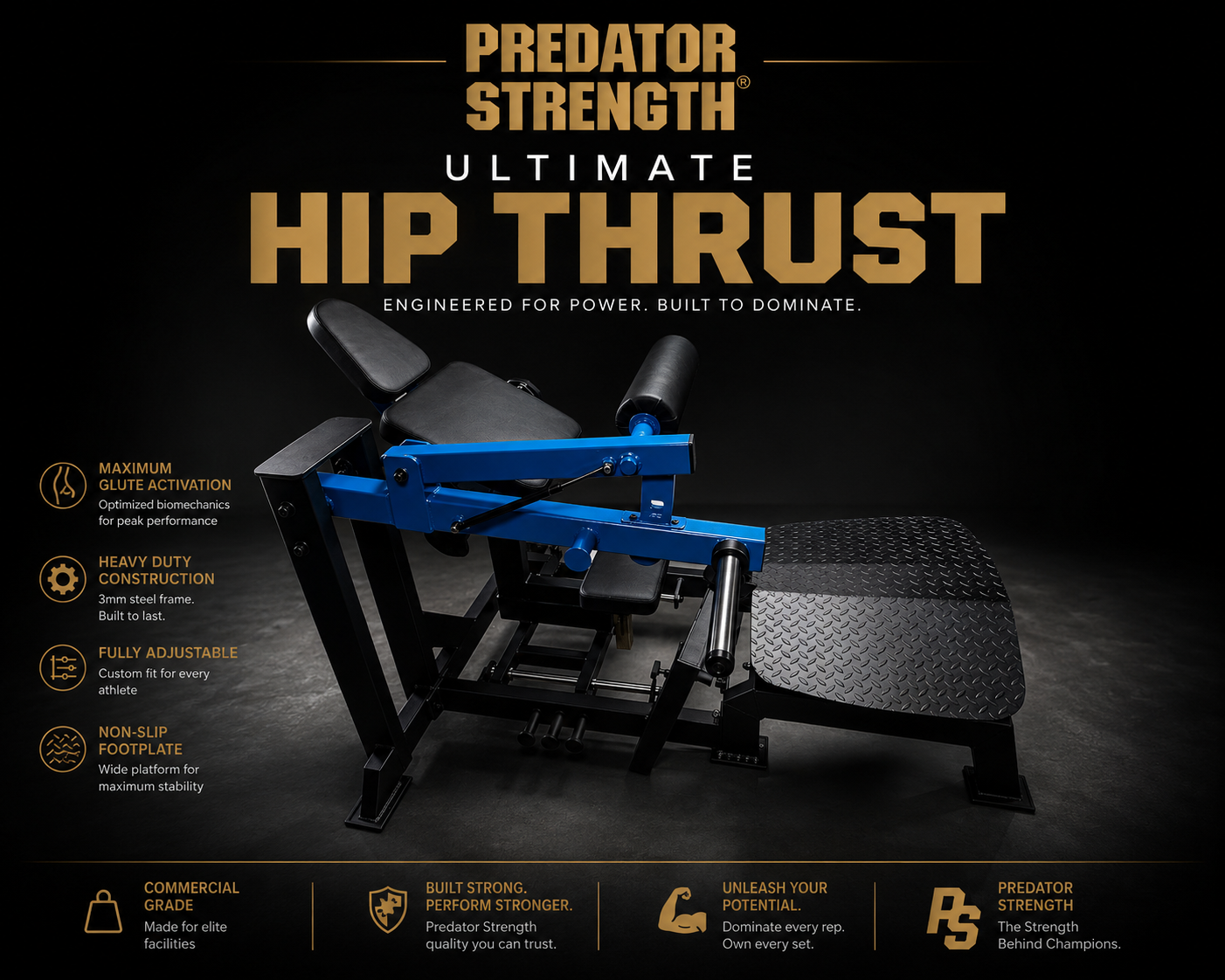
The best custom made fitness equipment starts with biomechanics, not styling. That means the pivot points, lever lengths, resistance profile, and user positioning all work together. On a hack squat, that may mean finding the right relationship between back pad angle, sled path, and footplate depth so knee travel feels natural and quad loading stays consistent. On a hip thrust machine, it may mean building a setup that allows quick entry, secure pad contact, and strong peak contraction without awkward setup time.
For commercial buyers, this is not a small detail. A machine with bad mechanics gets ignored, even if it was expensive. A machine with excellent mechanics becomes part of the facility's identity. It gets used daily, shared constantly, and remembered by lifters who know the difference between hype and real training value.
Custom made fitness equipment and facility identity
There is also a branding factor that should not be dismissed. Strong facilities are not neutral spaces. They have a point of view. Their equipment should reflect it.
Custom colors, logo treatments, upholstery choices, frame details, and model selection help create a gym floor that looks intentional rather than random. That matters for private training studios trying to stand apart from chain gyms. It matters for hardcore facilities that want a more aggressive visual presence. It matters for high-end commercial spaces that need premium equipment to justify premium pricing.
Still, visual customization only matters if the machine underneath is elite. A custom finish on mediocre equipment is still mediocre equipment. The order of priorities should stay clear: movement quality first, structural integrity second, visual identity third. When all three line up, the result is powerful.
Where custom equipment pays off fastest
Not every piece in a gym needs to be custom. Adjustable benches, dumbbell racks, and basic storage can often be standardized without major downside. The strongest return usually comes from specialized machines that define the training experience.
Lower-body and posterior-chain equipment is a prime example. Athletes and advanced lifters care deeply about how a belt squat tracks, how a pendulum squat loads the quads, how a hyperextension machine supports the torso, and how a cable-based posterior-chain station feels through the full range. These are not casual purchases. They are cornerstone pieces.
A facility that gets these categories right creates an immediate advantage. Members remember the machines. Coaches program them more confidently. Content creators film them. Stronger athletes seek them out. In a crowded market, that kind of differentiation matters.
The trade-offs buyers should understand
Custom equipment is not the right answer for every budget or timeline. It requires more thought up front. Lead times are usually longer than buying inventory from a distributor. Costs are higher, especially when the build quality, engineering, and finishing are genuinely premium.
That said, the cheaper option often becomes expensive in slow motion. Poor durability leads to repairs. Weak machine feel leads to low usage. Generic design leads to a forgettable facility. If a machine is central to your offering, underbuying is usually the mistake.
It also depends on who the facility serves. If your customer base is general fitness and low-intensity circuit use, highly specialized machine builds may be more than you need. But if your floor is built for bodybuilding, strength development, athletic performance, or serious private training, custom equipment starts making more and more sense.
What to look for in a custom manufacturer
The manufacturer matters as much as the machine itself. Serious buyers should look past surface-level customization and ask harder questions. Is the company actually designing around biomechanics, or just modifying standard frames? Are the machines tested under heavy loading? Are the materials and moving parts selected for long-term commercial use? Can the manufacturer build distinctive specialty pieces, or only basic variations of common products?
This is where specialist builders separate themselves from broad-line suppliers. A company focused on advanced plate-loaded and machine-based strength equipment will usually understand the details that generic fitness brands miss. That includes real user positioning, movement path consistency, stability under max effort, and the visual authority that high-end facilities want on the floor.
Predator Strength operates in that lane - premium, specialized, and built for buyers who refuse generic hardware.
Why the best gyms are becoming more selective
The market is changing. More gym owners are realizing that a room full of average machines does not create a destination facility. Advanced users are more educated than they were a decade ago. They know which machines hit correctly, which ones feel unstable, and which manufacturers actually understand strength training.
That is pushing serious buyers toward fewer, better pieces. Instead of filling a floor with interchangeable equipment, they are choosing standout machines that deliver a specific training effect and reinforce the facility's identity. Custom made fitness equipment fits that shift perfectly because it rewards selectivity.
The strongest gym floors are not built by accident. They are built by people who know what their athletes need, what their brand stands for, and which machines deserve a permanent place in the room. If your facility is supposed to feel elite, the equipment cannot be an afterthought. Build around pieces that train hard, last longer, and look like they belong in a serious environment. The right machine does more than fill space - it changes how your gym is remembered.